Edible ground covers serve a dual purpose: they protect soil from erosion and weeds while providing a delicious harvest.
Whether you want to improve biodiversity, attract pollinators, or simply maximize the use of your garden space, edible ground covers can be a great addition to your landscape.
In this guide, we’ll explore 10 edible ground covers and provide care tips for each one.
1. Wild Strawberries
(Fragaria vesca)
Wild strawberries are smaller than commercial varieties but have an intense, sweet flavor. They spread quickly through runners, making them an excellent ground cover.

Care Tips
Sunlight:
Full sun to partial shade
Soil:
Well-draining, rich in organic matter
Water:
Keep soil consistently moist but not waterlogged
Maintenance:
Trim runners if they become too invasive
Harvesting:
Pick when berries are fully red for the best flavor
2. Creeping Thyme
(Thymus serpyllum)
Creeping thyme is an aromatic, low-growing herb that provides a fragrant, edible carpet. It’s great for filling in spaces between stepping stones.

Care Tips
Sunlight:
Full sun
Soil:
Well-draining, sandy or loamy soil
Water:
Drought-tolerant but benefits from occasional watering
Maintenance:
Trim after flowering to maintain compact growth
Harvesting:
Snip fresh leaves as needed for culinary use
3. Sweet Potato Vine
(Ipomoea batatas)
The leaves of sweet potatoes are edible and highly nutritious, making this a valuable ground cover in warm climates.

Care Tips
Sunlight:
Full sun
Soil:
Loose, well-draining soil rich in organic matter
Water:
Keep evenly moist but avoid soggy conditions
Maintenance:
Regularly prune vines to prevent excessive spreading
Harvesting:
Leaves can be harvested anytime; tubers take about 100-120 days
4. Oregano
(Origanum vulgare)
Oregano is a hardy herb with a sprawling growth habit, providing excellent ground coverage with the added benefit of culinary use.

Care Tips
Sunlight:
Full sun
Soil:
Well-draining, slightly alkaline soil
Water:
Drought-tolerant once established
Maintenance:
Prune regularly to encourage bushy growth
Harvesting:
Pick leaves before flowering for the best flavor
5. Wintergreen
(Gaultheria procumbens)
Wintergreen is an evergreen ground cover that produces edible berries with a minty flavor.

Care Tips
Sunlight:
Partial to full shade
Soil:
Acidic, well-draining soil rich in organic matter
Water:
Keep consistently moist but not waterlogged
Maintenance:
Mulch to retain moisture and suppress weeds
Harvesting:
Berries ripen in late summer and can be eaten fresh or used in teas
6. Nasturtium
(Tropaeolum majus)
Nasturtiums add beauty and function to gardens with their vibrant edible flowers and leaves.


Care Tips
Sunlight:
Full sun to partial shade
Soil:
Well-draining soil, tolerates poor conditions
Water:
Moderate watering; avoid overwatering
Maintenance:
Trim back to prevent excessive spreading
Harvesting:
Flowers and leaves are edible and have a peppery flavor
7. Alpine Strawberries
(Fragaria alpina)
Alpine strawberries are a cultivated cousin of wild strawberries, producing small, flavorful berries without sending out runners.

Care Tips
Sunlight:
Full sun to partial shade
Soil:
Rich, well-draining soil
Water:
Keep consistently moist
Maintenance:
Regularly remove dead leaves for better air circulation
Harvesting:
Pick when berries are fully ripe
8. Chamomile
(Matricaria chamomilla or Chamaemelum nobile)
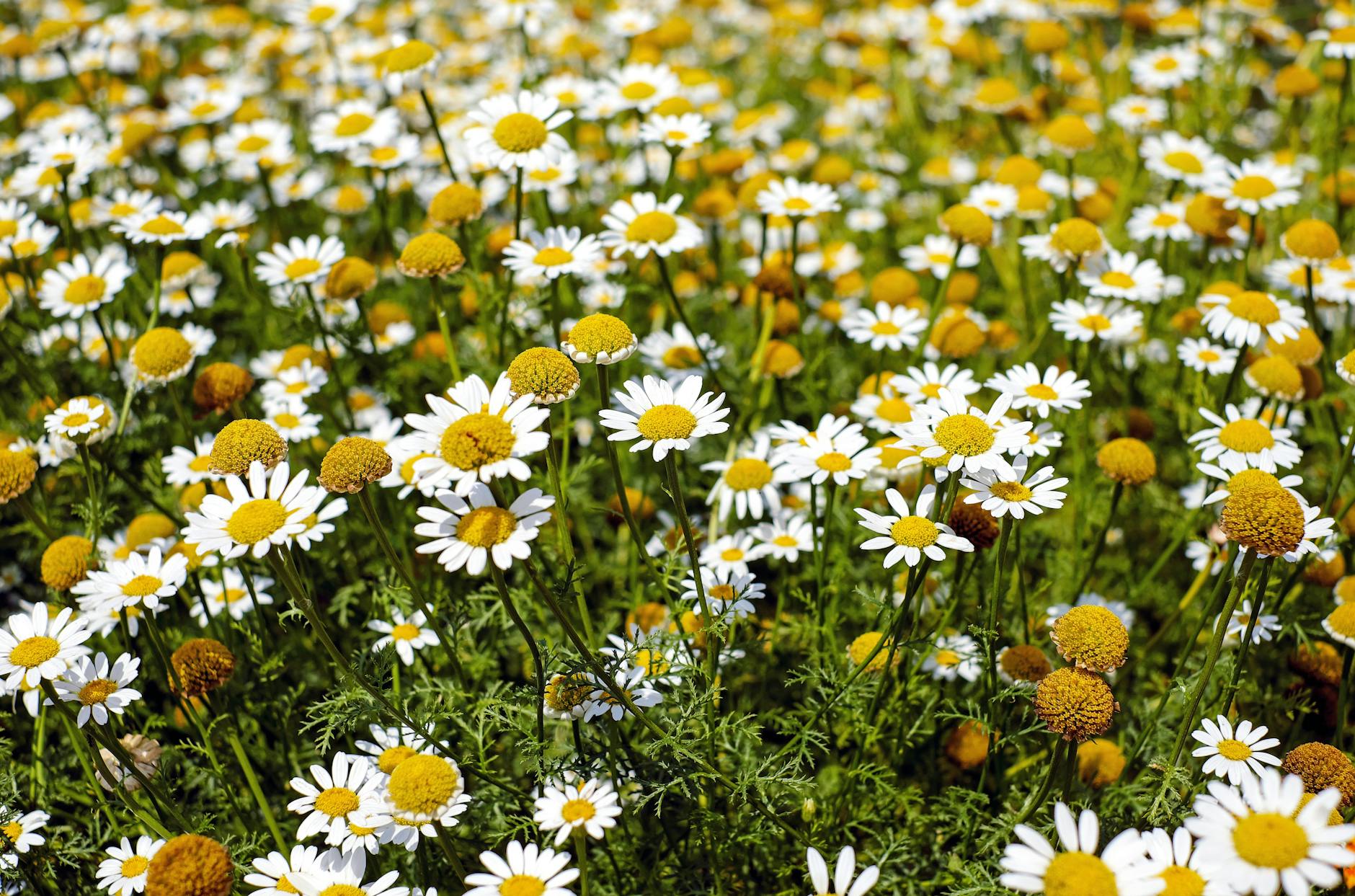
Chamomile is a low-growing herb with feathery foliage and daisy-like flowers used for making tea.

Care Tips
Sunlight:
Full sun to light shade
Soil:
Well-draining, moderately fertile soil
Water:
Keep soil moist but not soggy
Maintenance:
Deadhead flowers to encourage more blooms
Harvesting:
Collect flowers when fully open for the best tea flavor
9. Miner’s Lettuce
(Claytonia perfoliata)
Miner’s lettuce is a shade-tolerant edible ground cover with tender, nutritious leaves.

Care Tips
Sunlight:
Partial to full shade
Soil:
Moist, rich, well-draining soil
Water:
Keep evenly moist
Maintenance:
Regularly harvest leaves to promote new growth
Harvesting:
Best when young and tender
10. Groundcover Raspberry
(Rubus calycinoides)
This low-growing raspberry variety produces small, edible fruits and serves as an excellent erosion-controlling ground cover.


Care Tips
Sunlight:
Full sun to partial shade
Soil:
Well-draining, slightly acidic soil
Water:
Regular watering, especially in dry periods
Maintenance:
Prune old growth to encourage new shoots
Harvesting:
Pick berries when fully ripe
Recap & Outlook
Edible ground covers provide both aesthetic and practical benefits to any garden.
Whether you’re looking for herbs, fruits, or leafy greens, there’s an option suited to your climate and soil conditions.
With proper care and maintenance, these plants will reward you with beauty and delicious harvests year after year.
By incorporating these edible ground covers into your garden, you can enhance biodiversity, reduce maintenance, and enjoy fresh, homegrown food from your own landscape.

More Guides


Leave a Reply