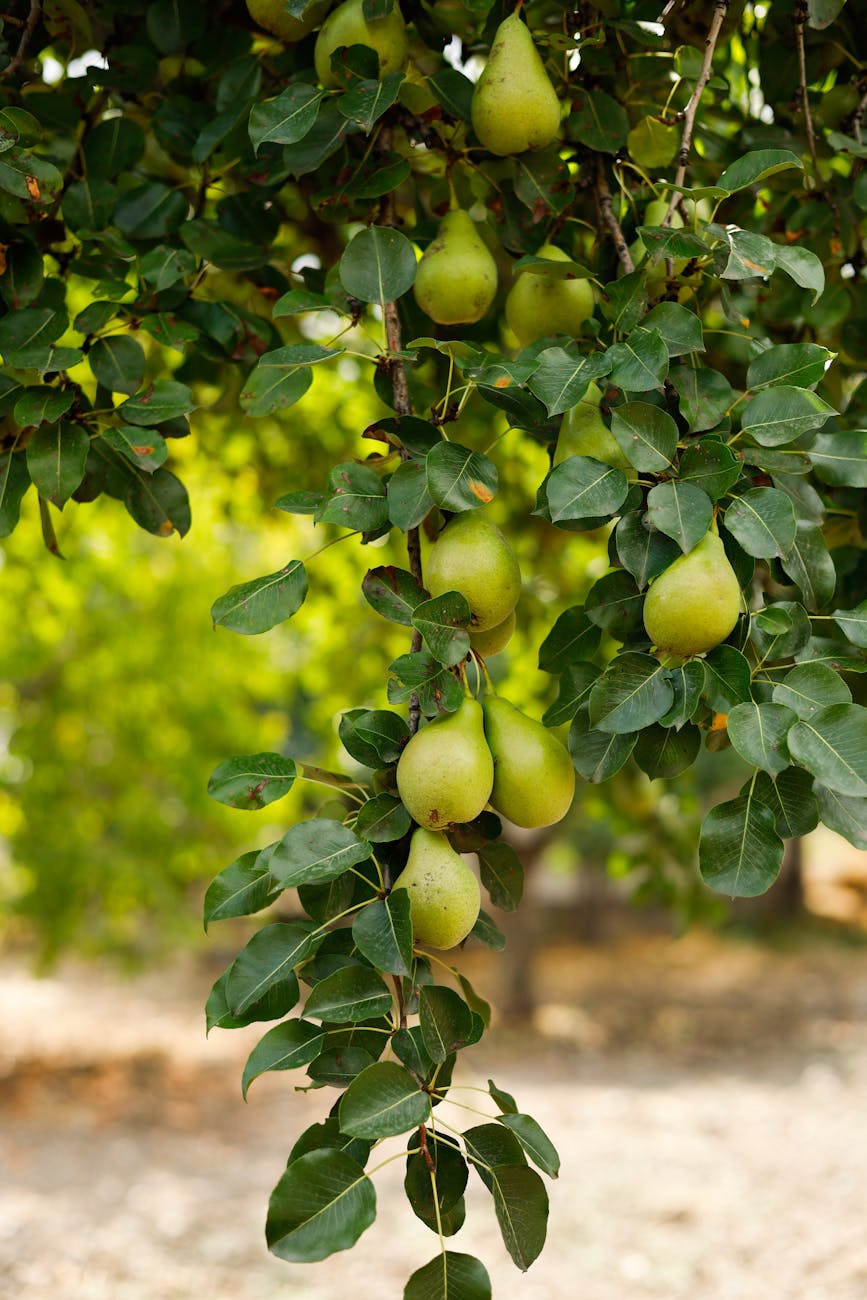
Fruit thinning is a critical horticultural practice aimed at enhancing the quality and size of fruits produced by trees.
By selectively removing some of the immature fruits, gardeners can ensure that the remaining fruits receive adequate nutrients, sunlight, and air circulation.

This guide provides a comprehensive overview of the fruit thinning process, including a brief history, the benefits of thinning, and step-by-step instructions for effectively thinning various types of fruit trees.
Contents List
- A Brief History
- Benefits of Thinning
- Step-by-Step Guide to Fruit Thinning
- Special Considerations
- More Guides
A Brief History
The practice of fruit thinning dates back centuries and is deeply rooted in agricultural traditions across the world.
Early farmers observed that trees with fewer fruits produced larger, healthier, and more flavorful fruits.
In ancient China, farmers thinned fruit trees to improve fruit quality and reduce the burden on the trees. Similarly, in Europe, orchardists practiced thinning as part of their regular maintenance routines to optimize yields and ensure the longevity of their trees.
Over time, as agricultural practices became more sophisticated, the methods and tools for fruit thinning evolved.

Today, fruit thinning is recognized as a standard practice in commercial orchards and home gardens alike, with techniques tailored to different types of fruit trees and specific growing conditions.
Benefits of Thinning
Thinning fruit trees offers numerous advantages that contribute to both the health of the trees and the quality of the harvest. Here are some of the key benefits:
Improved Fruit Size & Quality
By reducing the number of fruits on a tree, the remaining fruits receive more nutrients, water, and sunlight, leading to larger and higher-quality fruits.
Reduced Risk of Branch Breakage
Heavy fruit loads can cause branches to break, especially during storms or high winds.
Thinning helps distribute the weight more evenly and reduces the risk of damage.
Enhanced Tree Health
Thinning helps prevent diseases and pests by improving air circulation and reducing the competition for resources among fruits.
Even Ripening
When fruits are spaced out more evenly, they tend to ripen uniformly, making it easier to harvest them at the right time.
Consistent Yields
Thinning can help prevent biennial bearing, a phenomenon where trees produce a heavy crop one year and a light crop the next.

By maintaining a more balanced fruit load, trees are more likely to produce consistent yields each year.
Step-by-Step Guide
to Fruit Thinning
1. Assess Fruit Load
The first step in thinning fruit trees is to assess the fruit load.
This involves examining the tree to determine the number of fruits it is bearing and the overall health of the tree.

Look for signs of overcrowding, such as clusters of fruits growing too close together or branches that appear overloaded.
2. Determine Optimal Spacing
The ideal spacing between fruits varies depending on the type of fruit tree.
Here are some general guidelines for common fruit trees:
- Apple Trees: Thin to 6-8 inches apart
- Peach Trees: Thin to 6-8 inches apart
- Pear Trees: Thin to 4-6 inches apart
- Plum Trees: Thin to 3-5 inches apart
These spacings ensure that each fruit has enough room to grow and receive adequate sunlight and air circulation.
3. Choose the Right Time
The timing of thinning is crucial for achieving the best results.
Thinning is typically done in the early stages of fruit development, when the fruits are about the size of a marble.

This is usually in late spring to early summer, depending on the type of fruit tree and local climate conditions.
4. Use Proper Tools
Using the right tools for thinning can make the process more efficient and reduce the risk of damaging the tree. Common tools for fruit thinning include:
Hand Pruners:
Ideal for removing larger fruits and thinning dense clusters
Thinning Shears:
Specially designed shears with a narrow blade for precision
Small Scissors:
Useful for thinning smaller fruits and delicate branches
5. Start Thinning
Begin thinning by removing the smallest, misshapen, or damaged fruits first.
These fruits are less likely to develop into high-quality produce and are more susceptible to diseases and pests.

Next, thin out fruits that are growing too close together, leaving only the healthiest and most robust fruits.
When thinning, make clean cuts close to the base of the fruit stem, but avoid damaging the surrounding branches and leaves.
If using hand pruners or thinning shears, sterilize the blades before and after thinning to prevent the spread of diseases.
6. Monitor & Adjust
After the initial thinning, monitor the tree regularly to assess the remaining fruit load and overall tree health.
In some cases, additional thinning may be necessary later in the season to achieve the desired fruit size and quality.
Be prepared to adjust your thinning strategy based on the tree’s growth and environmental conditions.
Thinning Techniques
Apple Trees
Apple trees benefit significantly from thinning, as they are prone to biennial bearing.

Thin apples to one fruit per cluster, leaving the largest and healthiest fruit.
Aim for a spacing of 6-8 inches between each apple.
Thinning should be done when the apples are about the size of a dime, usually in late spring.
Peach Trees
Peach trees produce large fruits that require ample space to grow.
Thin peaches to 6-8 inches apart, removing any small, damaged, or misshapen fruits.

Thinning peaches should be done when the fruits are about the size of a marble, typically in late spring to early summer.
Pear Trees
Pear trees tend to set heavy fruit loads, making thinning essential for preventing branch breakage.
Thin pears to 4-6 inches apart, leaving the healthiest and most evenly spaced fruits.

The best time to thin pears is when they are about the size of a nickel, usually in late spring.
Plum Trees
Plum trees can produce dense clusters of fruits that need thinning to ensure proper development.
Thin plums to 3-5 inches apart, removing any small or damaged fruits.

Thinning should be done when the plums are about the size of a marble, typically in late spring to early summer.
Special Considerations
Climate & Weather Conditions
Climate and weather conditions can influence the timing and extent of thinning.

In regions with shorter growing seasons, it may be necessary to thin more aggressively to ensure that the remaining fruits have enough time to mature.
Additionally, thinning should be done after the risk of late frosts has passed to avoid losing too many fruits to frost damage.
Tree Age & Health
The age and health of the tree also play a role in thinning decisions.
Younger trees may require less thinning, as they are still establishing their root systems and structural framework.

In contrast, older trees with a history of heavy fruit loads may need more intensive thinning to prevent overburdening.
Pest & Disease Management
Thinning can help manage pests and diseases by improving air circulation and reducing the density of fruits where pests can hide.
However, it is also important to monitor the tree for signs of pest and disease activity throughout the growing season and take appropriate measures to protect the remaining fruits.
Fruit thinning is a vital practice for ensuring the health and productivity of fruit trees.
By carefully assessing the fruit load, determining the optimal spacing, and using the right tools and techniques, gardeners can enhance the size and quality of their harvests while promoting the overall well-being of their trees.

Whether you are tending to a small home orchard or managing a large commercial operation, understanding and implementing effective fruit thinning strategies will help you achieve the best possible results from your fruit trees.
Additional Resources
For more information on fruit thinning and other horticultural practices, consider the following resources:
Local Cooperative Extension Services:
Many regions have cooperative extension services that offer free or low-cost advice and resources on fruit tree care and other agricultural topics.
Horticultural Societies & Clubs:
Joining a local or national horticultural society can provide access to expert advice, workshops, and networking opportunities with other gardeners.
Books & Online Guides:
There are numerous books and online guides available that provide detailed information on fruit thinning and other aspects of fruit tree care.
By taking the time to learn and apply effective fruit thinning techniques, you can enjoy bountiful harvests of high-quality fruits year after year.
More Guides


Leave a Reply