A Guide to Growing a
Vegetable Garden
If you’ve ever dreamed of picking fresh vegetables from your own garden, you’re not alone.
Gardening is an incredibly rewarding activity that not only provides delicious, homegrown produce but also offers physical and mental health benefits.
For beginners, starting a vegetable garden might seem daunting, but with a few basic steps and a bit of guidance, anyone can grow a thriving garden—even in small spaces or indoors.

This guide will walk you through the essentials of getting started, covering everything from outdoor gardens to container gardening and indoor setups.

Getting Started
Planning can be an asset when it comes to starting a project so before you start to plant anything, it’s important to consider the following:
1. Assess Your Space
a. Available Area:
Identify where you want to grow your vegetables. This could be a backyard, balcony, windowsill, or countertop.
b. Light Conditions:
Most vegetables need 6-8 hours of direct sunlight daily. Choose the sunniest spot available.

2. Choose Your Vegetables
Consider your climate and growing season. Check the hardiness zone for your area to determine what grows best.

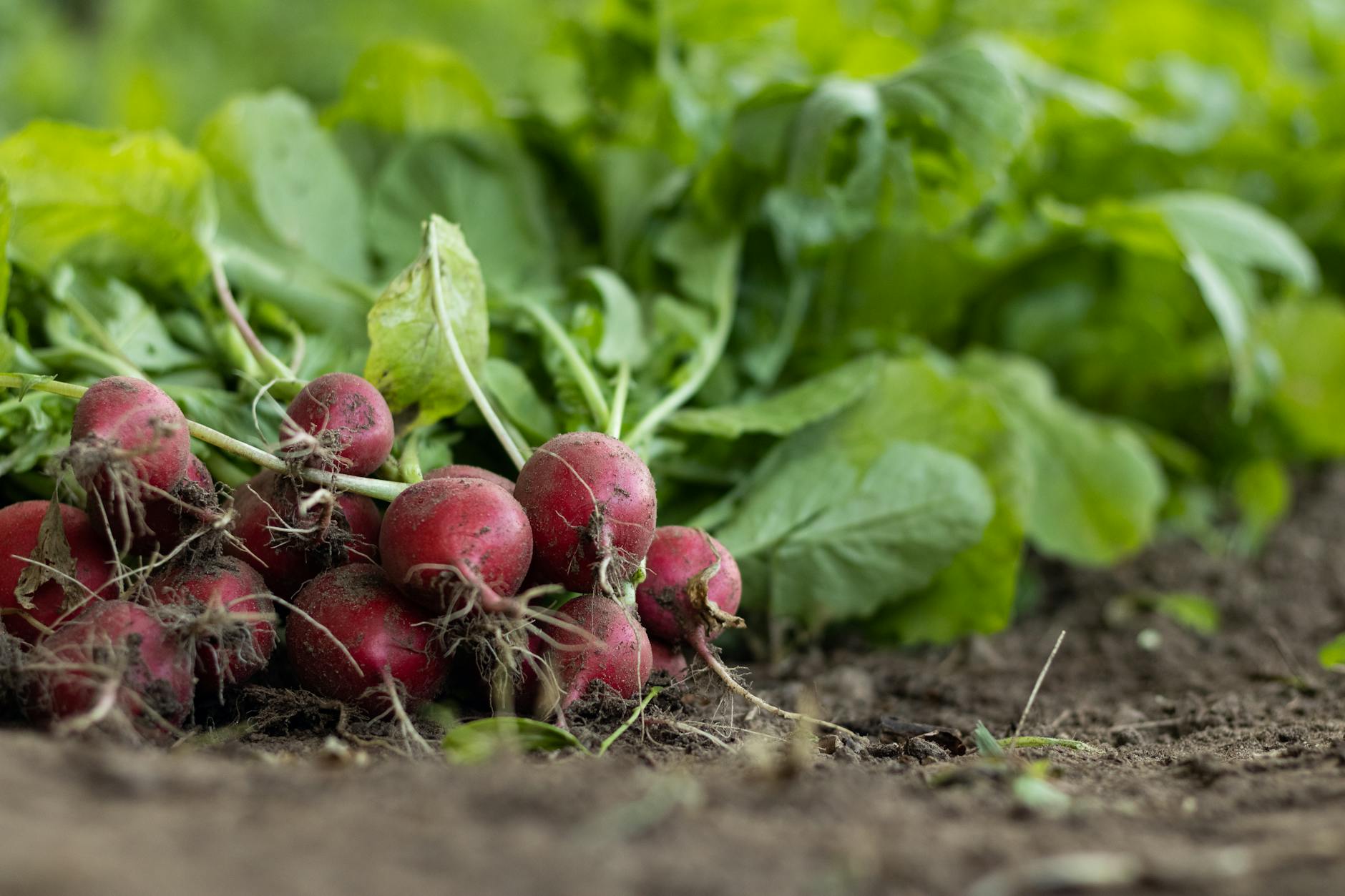
Start with easy-to-grow vegetables like lettuce, radishes, spinach, carrots, and tomatoes. Opt for vegetables you and your family enjoy eating.
3. Create a Planting Plan
Sketch a simple layout of your garden. Account for spacing requirements of each vegetable to avoid overcrowding. Group plants with similar needs together.
4. Gather Supplies
a. Soil:
Use nutrient-rich, well-draining soil. For outdoor gardens, enrich the soil with compost. For containers or indoor gardening, use potting mix.
b. Containers:
If using pots, ensure they have drainage holes.
c. Seeds or Seedlings:
Seeds are cheaper, but seedlings are more beginner-friendly.
d. Tools:
Basic tools like a trowel, gloves, and a watering can are sufficient.

Tips for Growing in
Small Outdoor Spaces
If you have limited outdoor space, you can still create a productive vegetable garden with these strategies:
Vertical Gardening
Use trellises, poles, or wall-mounted planters to grow climbing plants like peas, beans, and cucumbers.
Install shelves or stacked planters to maximize space.
Raised Beds
Build or buy raised garden beds. These are perfect for small yards and help improve soil drainage and control.
Fill with a mix of compost, topsoil, and organic matter.
Companion Planting
Pair compatible plants together to save space and enhance growth.
For example: Plant basil next to tomatoes to deter pests. Or, grow radishes and carrots together as they don’t compete for the same soil depth.

5-Steps to
Outdoor Gardening
1. Prepare the Soil:
Remove weeds and debris.

Enrich the soil with compost.
2. Plant Seeds or Seedlings:
Follow the instructions on seed packets for depth and spacing.

For seedlings, dig a hole deep enough to cover their root ball.
3. Water Regularly:
Keep the soil moist but not waterlogged.

Early morning is the best time to water.
4. Add Mulch:

Mulch retains moisture and suppresses weeds.
5. Monitor & Maintain:
Check daily for pests, weeds, and plant health.
Thin overcrowded seedlings if necessary.

Tips for Growing
in Containers
Container gardening is an excellent option for patios, balconies, or areas with poor soil. Here’s how to succeed:
Choosing the Right Containers
Use pots, buckets, or planters with drainage holes.
Select the right size: Larger vegetables like tomatoes need deeper pots, while herbs can thrive in smaller containers.
Selecting Soil & Fertilizer
Use potting mix designed for vegetables. Avoid garden soil, which may compact and hinder growth.
Add slow-release fertilizer or organic compost to feed your plants.
6-Steps to
Container Gardening
1. Prepare Containers:
Fill them with potting mix, leaving 1-2 inches of space at the top.
2. Planting:
Sow seeds according to packet instructions.
For seedlings, make a hole slightly larger than the root ball and gently place the plant in.
3. Position Containers:
Place them in the sunniest spot available.
4. Water Consistently:
Containers dry out faster than garden beds. Check daily and water when the top inch of soil feels dry.
5. Support Plants:
Add stakes or cages for vegetables like tomatoes or peppers.
6. Rotate Pots:
If sunlight is uneven, rotate pots weekly to ensure even growth. You’ll know the sunlight is uneven when plants start to lean.

Tips for Growing
Vegetables Indoors
Indoor vegetable gardening is ideal for those with no outdoor space. While it requires some setup, it’s a rewarding way to grow fresh produce year-round.
Light:
Most vegetables need full-spectrum light.

If natural light is insufficient, invest in grow lights.
Temperature:
Maintain a consistent temperature suitable for the chosen vegetables. Most thrive between 60-75°F.
Humidity:
Use a humidity tray or mist plants if your home is dry.

Best Vegetables for
Indoor Gardening
Herbs:
Basil, parsley, mint, and chives.

Leafy Greens:

Lettuce, spinach, and kale.
Compact Vegetables:
Cherry tomatoes, radishes, and baby carrots.


6-Step Guide for
Indoor Gardening
1. Select Containers:
Choose small pots with drainage holes for herbs and medium pots for larger vegetables.
2. Add Soil:
Use a high-quality potting mix with good drainage.
3. Plant Seeds or Seedlings:
Sow seeds slightly below the soil surface.
For seedlings, plant them at the same depth they were growing in their original container.
4. Set Up Lighting:
Position plants near a south-facing window or under grow lights.
Ensure lights are on for 12-16 hours daily.
5. Water & Fertilize:
Keep soil moist but not soggy.
Use a liquid fertilizer every 2-4 weeks.
6. Pest Control:
Check regularly for pests like aphids.
Treat with neem oil or insecticidal soap if needed.

Common
Challenges & Solutions
Overwatering
Symptoms:
Yellowing leaves, soggy soil.
Solution:
Allow soil to dry between watering. Ensure proper drainage.
Drought
Symptoms:
Wilting plants, dry soil.
Solution:
Water thoroughly and consistently. Consider self-watering pots.
Pests
Symptoms:
Chewed leaves, visible bugs.
Solution:
Use organic pesticides or companion plants to deter pests.
Lack of Sunlight
Symptoms:
Leggy growth, pale leaves.
Solution:
Move plants to a sunnier spot or use grow lights.

Tips for Harvesting
Your Vegetables
Harvesting is one of the most satisfying parts of gardening. Here are some tips:
Know When to Harvest:
Check seed packets or plant tags for harvesting times.
Harvest Frequently:
Picking ripe vegetables encourages more production.
Handle with Care:
Use scissors or pruners to avoid damaging plants.

Get Planting
Starting a vegetable garden is an exciting journey that connects you with nature and provides fresh, healthy food.

Whether you have a backyard, a balcony, or just a sunny windowsill, you can create a thriving garden with the right planning and care.
Begin with simple, easy-to-grow vegetables and enjoy the process of learning as you go.

More Guides


Leave a Reply