In permaculture the food forest model mimics the structure and resilience of natural forests by layering diverse plants vertically to maximize yield, ecological benefit, and self-sufficiency.

Each layer—from canopy to underground—fulfills distinct roles in nutrient cycling, habitat creation, and productivity.
There are seven core layers of a food forest:
- Canopy
- Sub-Canopy
- Shrub
- Herbaceous
- Ground Cover
- Underground – roots & fungi
- Climber Vines
While canopy and sub-canopy layers often get attention, the shrubs—nestled in the middle—are frequently underestimated.
Yet these compact woody plants weave critical functions into the food forest tapestry.
This guide dives deep into what the shrub layer is, why it matters, how to design it effectively, and which 10 excellent shrub species to consider for your food forest.
What Is the Shrub Layer?
Definition & Structure
The shrub layer refers to woody perennial plants typically ranging from roughly 1 to 3 meters (a few feet to several feet), though definitions vary slightly.
In formal ecological stratification, shrubs often fall within the 1.5 to 5 m range, comprising multi-stemmed bushes that sit beneath trees but above ground-level herbs.
Ecological Functions
This layer serves multifaceted roles:
Structural Richness & Microclimate:
Shrubs densify mid-level structure, forming windbreaks, shading soil, and buffering temperature fluctuations and moisture loss.
Wildlife Habitat:
Birds—especially bush nesters—and beneficial insects find shelter and nesting sites among shrubs.

Soil Stability:
Shrub roots lock soil in place, reducing erosion and stabilizing mulch and ground covers.
Ecological Stacking:
Functionally, shrubs often combine edible yield, fertility support (e.g., nitrogen-fixers), pollinator attraction, and even medicinal or aromatic benefits—all in one plant.

5 Reasons Why Shrubs Matter in Permaculture Design
1. Yield & Productivity
Rich with berry bushes and nut-bearing shrubs, this layer offers harvests in early, mid, and late seasons—especially valuable in smaller-scale designs or zones with limited space.
2. Ecological Resilience & Biodiversity
Shrubs’ blooms and foliage support beneficial insects, pollinators, and wildlife.
Their structural diversity strengthens the forest’s resistance to pests, disease, and climate extremes.
3. Soil & Nutrient Cycling
Nitrogen-fixing shrubs like sea buckthorn enrich soil naturally.
Leaf litter and biomass from shrubs contribute to the forest’s organic matter and mulch layers, facilitating composting in place.
4. Microclimate Regulation
Strategically placed shrubs act as windbreaks, shade producers, and buffers on edges or within glades, improving conditions for both shade-loving understory plants and sun-dependent species.
5. Design Versatility & Access
Shrubs can outline pathways, edge boundaries, or form living fences and hedgerows—making harvest easier and integrating aesthetics with function.

5 Design Principles
1. Placement & Light Considerations
Plant shrubs in drip lines beneath canopy trees or in sunny glades and edges, depending on their light tolerance.
In the Northern Hemisphere, place fruit-bearing shrubs on southern fringes of overstory elements to maximize sun exposure; reverse for Southern Hemisphere.
2. Species Selection & Functional Stacking
Prioritize multi-functional shrubs: edible, pollinator-friendly, nitrogen-fixing, medicinal, or aromatic.
Use guild thinking: pair nitrogen-fixers with fruiting shrubs, mix early & late bloomers, include dynamic accumulators for mulch.
3. Spacing & Accessibility
Ensure sufficient spacing for light penetration, harvesting, and maintenance.
Avoid overcrowding which may limit productivity and complicate interactions with other layers.
4. Use in Edges, Pathways & Hedgerows
Shrubs along paths ease harvesting and define movement.
Hedgerows of shrubs act as windbreaks, wildlife corridors, and barriers against pests or browsers.
In linear planting systems, shrub rows can interleave between trees or crops to add function without large spatial footprints.
5. Assess Site Conditions
Consider light (shade/sun), soil (pH, drainage), climate, and your own goals (food, medicine, aesthetics).
Use native species where possible for robustness; supplement with well-adapted productive species when needed .

10 Shrubs for Your Food Forest
1. Sea Buckthorn
(Hippophae rhamnoides)
Sea Buckthorn is a hardy, nitrogen-fixing shrub native to Europe and Asia.
It thrives in sandy, poor soils and is often planted as a pioneer species in degraded landscapes.

Its silvery-green leaves and clusters of vibrant orange berries make it both ornamental and functional.
Functions:
- Fixes nitrogen, enriching the soil for neighboring plants
- Provides strong root systems for erosion control
- Bears nutrient-dense berries extremely high in Vitamin C, Vitamin E, and antioxidants
Care Tips:
- Soil: Prefers sandy, well-drained soil with full sun
- Watering: Drought-tolerant once established, but water young plants regularly
- Pruning: Prune lightly to maintain structure and airflow
- Harvesting: Harvest berries in late summer to autumn; branches may be cut and frozen to shake berries off easily
- Tip: Requires both male and female plants for fruit production
2. Elderberry
(Sambucus spp.)
Elderberries are fast-growing, nitrogen-fixing shrubs native to many temperate regions.
They provide heavy yields of small dark berries, valued in syrups, teas, wines, and traditional medicine.

Functions:
- Food and medicine (berries and flowers)
- Supports pollinators with summer blossoms
- Attracts birds and beneficial insects
Care Tips:
- Soil: Moist, well-drained soils; tolerates clay
- Light: Full sun to part shade
- Watering: Likes consistent moisture but not waterlogging
- Pruning: Prune old stems to encourage new growth; fruits form best on second-year wood
- Tip: Plant more than one variety for best pollination and yield
3. Blueberries
(Vaccinium spp.)
Blueberries are iconic fruiting shrubs prized for their sweet, antioxidant-rich berries. They are also excellent pollinator plants and thrive in acidic soils.

Functions:
- Nutrient-rich fruit
- Provides nectar for bees and other pollinators
- Offers wildlife shelter
Care Tips:
- Soil: Requires acidic soil (pH 4.5–5.5). Use pine needles, peat moss, or sulfur amendments
- Light: Prefers full sun but tolerates partial shade
- Watering: Needs consistent moisture, especially during fruiting
- Pruning: Remove weak stems annually; prune after fruiting to encourage strong cane growth
- Tip: Plant at least two varieties for better pollination and fruit set
4. Raspberries
(Rubus idaeus)
Raspberries are vigorous, perennial fruiting shrubs with biennial canes. They provide abundant harvests and excellent pollinator support.

Functions:
- Produces high yields of sweet berries
- Creates wildlife habitat and shelter
- Flowers are highly attractive to pollinators
Care Tips:
- Soil: Well-drained, fertile soils; prefers slightly acidic conditions
- Light: Full sun is ideal
- Watering: Needs regular watering during fruit development
- Pruning: Remove old canes after fruiting; thin crowded stems to improve airflow
- Tip: Use supports (trellis or wires) to keep canes upright and improve fruit quality
5. Currants
(Ribes spp.)
Currants are compact, cold-hardy shrubs producing tart, flavorful berries used for jams, jellies, wines, and syrups.

Functions:
- Edible berries rich in Vitamin C
- Thrives in partial shade
- Suitable for small spaces and food forests
Care Tips:
- Soil: Moist, fertile soils with good drainage
- Light: Tolerates partial shade but fruits best with some sun
- Watering: Keep soil evenly moist, especially in summer
- Pruning: Remove old wood to encourage new shoots
- Tip: Mulch well to retain soil moisture and prevent weeds
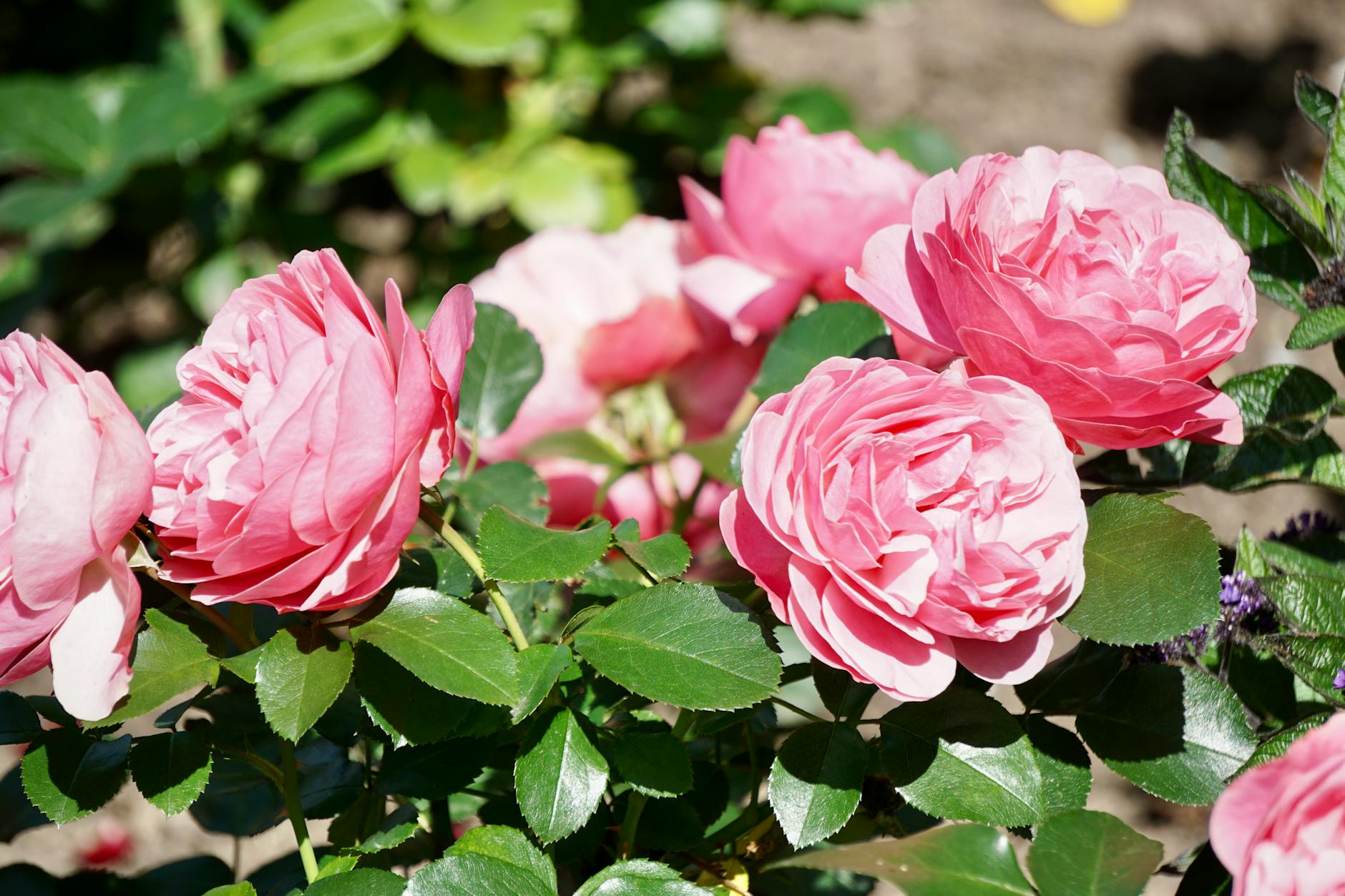
6. Roses
(Rosa rugosa)
Rugosa and wild roses are multi-functional shrubs with fragrant blossoms and vitamin-rich hips. They serve ornamental, edible, and medicinal purposes.

Functions:
- Pollinator-attracting blooms
- Edible rose hips packed with Vitamin C
- Wildlife shelter and nesting habitat
Care Tips:
- Soil: Adaptable but prefers well-drained loam
- Light: Full sun for best flowering and hip production
- Watering: Moderate water needs; drought-tolerant once mature
- Pruning: Cut back dead or weak wood annually
- Tip: Rugosa roses are particularly hardy and disease-resistant
7. Hawthorn
(Crataegus spp.)
Hawthorn is a thorny shrub or small tree with clusters of white blossoms and small red fruits. It is long-lived, durable, and highly valued in herbal medicine.
Functions:
- Provides medicinal berries for heart health
- Offers dense shelter for birds and wildlife
- Useful for hedgerows and windbreaks
Care Tips:
- Soil: Tolerates a range of soils; prefers well-drained loam
- Light: Full sun to partial shade
- Watering: Moderate; drought-tolerant once established
- Pruning: Minimal, but can be shaped for hedges
- Tip: Its thorns make it excellent for natural fencing
8. Blue Huckleberry
(Gaylussacia frondosa)
Native to eastern North America, blue huckleberries are resilient shrubs that thrive in acidic soils and provide sweet, nutritious berries.
Functions:
- Produces edible berries enjoyed fresh or preserved
- Fire-resistant and regenerates after burns
- Supports pollinators and provides wildlife shelter
Care Tips:
- Soil: Acidic, sandy, or peaty soils
- Light: Partial shade to full sun
- Watering: Prefers consistent moisture but tolerates dry spells
- Pruning: Minimal—just remove dead wood
- Tip: Plant near blueberries as they share similar soil needs
9. Hazelnut
(Corylus avellana)
Hazelnut (filbert) shrubs produce nutrient-dense nuts and play a structural role in food forests. They can be coppiced for wood and hedging.
Functions:
- Produces edible nuts rich in protein and fats
- Supports pollinators with catkins
- Coppicing provides renewable wood
Care Tips:
- Soil: Well-drained, fertile soils; tolerates clay
- Light: Full sun to part shade
- Watering: Water well in the first few years; drought-tolerant later
- Pruning: Prune to shape or coppice every 7–10 years
- Tip: Needs at least two varieties for proper nut production
10. Creeping Raspberry
(Rubus tricolor)
A ground-hugging evergreen shrub, creeping raspberry is grown for its ornamental foliage and edible, though small, berries. It doubles as a living mulch.
Functions:
- Produces small, sweet fruits
- Ground cover that suppresses weeds
- Provides erosion control on slopes
Care Tips:
- Soil: Adaptable but prefers well-drained loamy soil
- Light: Full sun to part shade
- Watering: Moderate; drought-tolerant once established
- Pruning: Little needed, but trim runners to control spread
- Tip: Works well as a living mulch under taller shrubs and trees
Integrating into Guilds & Overall Design
Guild Design
Combine a fruiting shrub (e.g., blueberry) with a nitrogen-fixing shrub (e.g., sea buckthorn), pollinator-attracting herbs, and ground cover to create resilient micro-ecosystems.
Edge Planting
Use flowering shrubs like roses or hawthorn along paths or edges for easy access, visual appeal, and wildlife corridors.
Water Management
Place soil-stabilizing shrubs (like sea buckthorn) on slopes or near water features to prevent erosion and manage microclimate.
Succession Planning
Shrubs often fill middle stages of succession—plan for eventual canopy closure, and whether shrubs will be thinned or phased out over time for sub-canopy youth.
Multi-function Maximization
Each shrub ideally serves more than one purpose—e.g., harvest, habitat, fertility, aesthetic, medicinal, erosion control, or wildlife support.

Permaculture Design Integration
Diversity Is Key
Choose shrubs with varying heights, bloom periods, and root systems to ensure maximum ecosystem benefits.
Stack Functions
Let shrubs serve multiple roles—such as fruit production, habitat, nitrogen-fixation, and aesthetics.
Spacing & Placement
Allow enough light penetration by avoiding overly dense planting, while ensuring ground cover and lower layers can establish.
Companion Pairing
Combine nitrogen-fixing shrubs (like sea buckthorn) with fruiting plants to create supportive microguilds.
Successional Awareness
Because food forests evolve over time, select shrubs that mature gracefully and know when to prune or rotate species.
The shrub layer—though modest in height—is mighty in function. It binds the canopy to the ground, weaving productivity, biodiversity, and resilience through the food forest.
Shrubs “add density, structure, diversity… serving as windbreaks, soil stabilizers, and habitat for beneficial insects and birds.
When designed thoughtfully—with placement, functionality, species matching, and spatial harmony in mind—the shrub layer becomes a powerhouse: yielding fruit, fixing nitrogen, sheltering wildlife, facilitating access, and enriching soil lifecycle.
Integrating shrubs like sea buckthorn, elderberry, blueberries, rose, huckleberry, and hazelnut transforms middle ground into a dynamic, productive niche in your permaculture system.

The shrub layer might seem like a middle-ground tier, but in permaculture and food forest systems, it plays an outsized role in ecosystem stability, yield, and resilience.
By thoughtfully selecting and integrating shrubs like blueberries, elderberries, sea buckthorn, serviceberries, and more, you establish a multi-functional and vibrant layer that bridges canopy and ground cover—anchoring your forest garden both structurally and ecologically.
More Guides


Leave a Reply