🌎 A Gardener’s Guide to Spring Growing Success 🌱✨
Whether you’re planting your very first flower bed or planning a thriving backyard food forest, understanding your USDA hardiness zone is one of the most important steps toward gardening success 🌿🏡
Hardiness zones help gardeners determine:
- Which plants can survive winter temperatures ❄️
- When to begin planting in spring 🌸
- What flowers, vegetables, trees, and shrubs thrive locally 🌳
- How long the growing season lasts ☀️
- What blooms to expect throughout May and spring 🌷
If you’ve ever wondered why tulips bloom in one area while roses explode with color in another, hardiness zones are the answer!
This guide breaks down USDA Zones 1–11 with seasonal gardening tips, common spring blooms, planting advice, and climate expectations to help gardeners grow confidently in every region 🌎✨
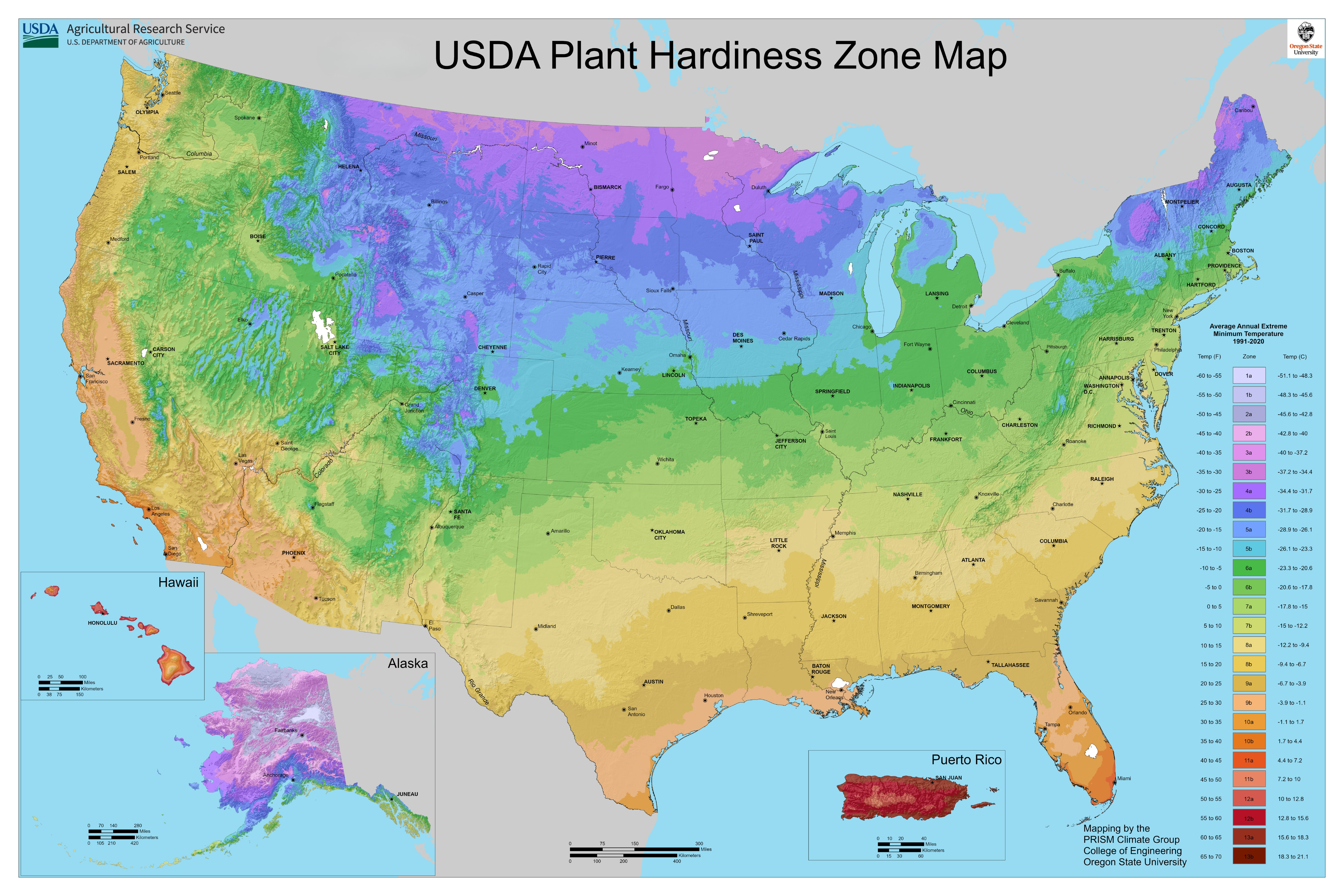
🌡️ What Are USDA Hardiness Zones?
The USDA Plant Hardiness Zone Map divides North America into climate regions based on the average annual minimum winter temperatures.
Each zone differs by 10°F, with subcategories “a” and “b” representing 5°F differences.

Gardeners use these zones to determine:
✅ Which perennial flowers survive winter
✅ Which fruit trees can thrive
✅ Frost dates and planting schedules
✅ Seasonal garden expectations
✅ Best vegetables and herbs to grow
🌱 Why Hardiness Zones Matter for Gardeners
Understanding hardiness zones helps gardeners;
🌸 Choose the Right Plants
Some plants require cold winters to bloom, while others cannot tolerate frost at all.
For example:
- Peonies thrive in colder zones
- Citrus trees love warm zones
- Lavender prefers dry mild climates
- Tropical hibiscus thrives in frost-free regions
Matching plants to your zone saves money, time, and frustration 💚
🗓️ Predict Growing Seasons
Your zone impacts:
- Last spring frost date
- First fall frost date
- Seed starting schedules
- Harvest timing
Gardeners in Zone 3 may not plant tomatoes outdoors until June, while Zone 10 gardeners may already be harvesting tomatoes in May 🍅
🌼 Understand Seasonal Bloom Cycles
Different zones experience spring differently.
In May:
- Northern gardeners may just be seeing snow melt ❄️
- Southern gardens may already be entering summer heat ☀️
- Temperate climates enjoy peak tulip and rose season 🌷🌹
🌼 Best Gardening Practices Across All Hardiness Zones
No matter where you garden, these universal tips help create success:
🌱 Improve Soil Health
Healthy soil creates healthy plants.
Add:
- Compost
- Leaf mold
- Worm castings
- Organic mulch
💧 Water Wisely
Deep watering encourages stronger root systems.
Tips include:
- Water early morning
- Avoid wet foliage overnight
- Use drip irrigation when possible
🐝 Support Pollinators
Plant pollinator-friendly flowers like:
- Bee balm
- Lavender
- Zinnias
- Coneflowers
- Native wildflowers
Pollinators improve vegetable harvests and ecosystem health 🌎
🌿 Use Native Plants
Native plants often:
- Require less water
- Resist pests better
- Support local wildlife
- Thrive naturally in your zone
🌷 How to Find Your USDA Hardiness Zone
You can determine your exact USDA zone by:
- Using online USDA zone maps
- Checking plant tags at garden centers
- Consulting local extension offices
- Asking nearby gardeners
Knowing your zone helps you garden smarter — not harder 🌱✨
🌸 Every Zone Has Garden Magic
One of the most beautiful things about gardening is that every hardiness zone offers something unique 🌎💚
While northern gardeners celebrate the first crocus blooms of spring, tropical gardeners enjoy year-round flowers and harvests.
No matter your climate:
🌱 There is always something to grow
🌸 Something beautiful to bloom
🍅 Something delicious to harvest
🐝 And something new to learn
Understanding USDA hardiness zones allows gardeners to work with nature instead of against it — creating healthier gardens, stronger plants, and more rewarding growing seasons year after year. 🌷✨
More Guides


Leave a Reply