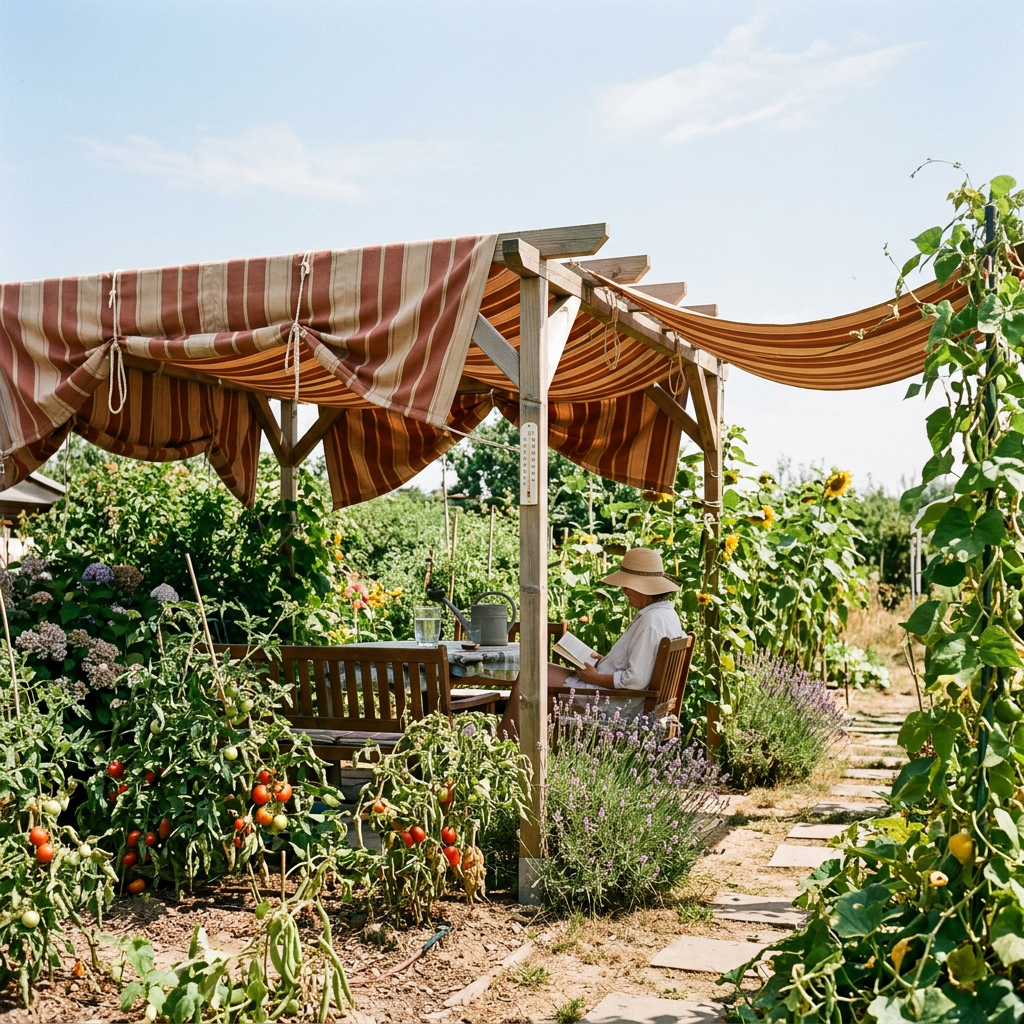
How to Protect Your Garden From Extreme Heat ☀️🌻
August can be one of the most rewarding—and challenging—months in the garden. 🌿🍅🌞 The days are long, the sun is intense, and temperatures can climb quickly. While your garden may be overflowing with tomatoes, peppers, cucumbers, squash, berries, herbs, and beautiful flowers, that summer abundance comes with a challenge: heat stress.
The good news? Your garden can thrive through August with a little extra attention and a few simple strategies. 💚🌱 You don’t need complicated equipment or an elaborate system. By focusing on water, soil, shade, mulch, timing, and observation, you can help your plants stay healthy and productive even during the hottest stretches of summer.
August is also a wonderful reminder that gardening isn’t about controlling nature—it’s about working with it. 🌎✨ When you learn to recognize what your plants need and respond thoughtfully, your garden becomes more resilient season after season.
Let’s explore practical ways to protect your garden from August heat and keep your plants growing strong! 🌻💦

☀️ 1. Water Your Garden Wisely
Water is one of the most important tools you have for protecting plants from summer heat. 💧🌱 But when and how you water can make a tremendous difference. During hot weather, plants lose moisture through a natural process called transpiration. Water moves from the roots through the plant and eventually escapes through tiny openings in the leaves. When temperatures rise, this process can increase dramatically. If the soil cannot supply enough water to the roots, plants can begin to wilt, stop growing, drop flowers, or produce smaller fruits.
🌅 Water Early in the Morning
The best time to water most gardens is early in the morning. Morning watering gives moisture time to soak deeply into the soil before the hottest part of the day. Plants can then use that moisture throughout the day.
Early morning watering also helps reduce unnecessary evaporation compared with watering during the heat of the afternoon.
If morning watering isn’t possible, evening can be another option. However, avoid regularly leaving plant foliage wet overnight, particularly for plants susceptible to fungal diseases.

💦 Water Deeply
Instead of giving plants a quick sprinkle every day, aim for deep, thorough watering when appropriate. Deep watering encourages roots to grow farther into the soil where moisture is often more stable.
Pay particular attention to:
🍅 Tomatoes
🌶️ Peppers
🥒 Cucumbers
🎃 Squash and pumpkins
🌽 Corn
🍓 Strawberries
🫐 Berry bushes
🌳 Young fruit trees
🌿 Newly planted perennials
Container plants may need water much more frequently because pots can dry out quickly.
🌱 Check the Soil
Don’t rely entirely on a calendar. Stick your finger into the soil a few inches below the surface. If the soil feels dry, your plants may need water.
Remember that different plants have different moisture requirements. Succulents and Mediterranean herbs, for example, generally prefer drier conditions than moisture-loving vegetables.
The goal isn’t simply to water more—it’s to water intelligently. 💚
🌾 2. Add a Generous Layer of Mulch
If your garden doesn’t already have mulch, August is an excellent time to add it. 🌾🌿
Mulch acts like a protective blanket over the soil. It can help:
💧 Reduce evaporation
🌡️ Moderate soil temperatures
🌱 Suppress weeds
🍂 Add organic matter over time
🪱 Support soil organisms
🌿 Protect shallow roots
Organic mulch options include:
- Straw
- Shredded leaves
- Compost
- Grass clippings
- Chopped plant material
- Wood chips
- Aged bark
Apply mulch around plants while keeping it slightly away from stems and trunks.

🌡️ Why Mulch Matters in August
Bare soil can become extremely hot under intense summer sunshine. That heat can stress shallow roots and cause soil moisture to disappear quickly.
A layer of mulch helps create a more stable environment beneath the surface.
Think of mulch as shade for your soil. ☀️➡️🌱 And there’s an added bonus: as organic mulch breaks down, it contributes valuable organic matter to the soil, helping improve its structure and moisture-holding capacity.
🌳 3. Provide Afternoon Shade
Some plants absolutely love sunshine, while others appreciate protection from the strongest afternoon rays. 🌞🌿
During extreme heat, temporary shade can help reduce stress.
Shade cloth is one option, but you can also use creative garden solutions.
Consider:
🌳 Positioning containers beneath the filtered shade of trees
🌿 Growing taller plants near shorter crops
⛺ Installing temporary shade cloth
🪴 Moving container plants to a protected location
🌻 Using trellises to create filtered shade
The key is to avoid blocking necessary sunlight for too long.
Many vegetables still need several hours of sunlight to remain productive. Your goal is heat protection—not complete darkness.
🌞 Protect Plants During Heat Waves
When temperatures become unusually high, temporary afternoon shade can be especially helpful for:
🥬 Lettuce
🌿 Cilantro
🌱 Young seedlings
🥦 Broccoli and other cool-season crops
🍓 Newly planted strawberries
🌸 Sensitive flowering plants
Shade can be particularly valuable during stretches of extreme heat when temperatures remain high both day and night.
🌿 4. Keep Weeds Under Control
Weeds aren’t just an aesthetic problem. During August, they can compete aggressively with your garden plants for precious resources. 🌱💧
Every weed growing beside your vegetables is potentially competing for:
💦 Water
🌱 Nutrients
☀️ Space
🌿 Root room
Keeping weeds under control helps your garden plants access the resources they need.
But don’t feel like you need a perfectly weed-free garden.
Instead, focus your energy on removing weeds that are:
- Growing directly around desirable plants
- Competing heavily for water
- Producing seeds
- Growing aggressively through mulch
- Becoming difficult to remove
A little regular maintenance is usually easier than allowing weeds to become deeply established.
And remember: don’t let August gardening become exhausting. 💚
Work for shorter periods during cooler parts of the day, stay hydrated, and give yourself permission to leave some minor weeds for tomorrow.
🍂 5. Protect Your Soil
Healthy soil is one of your garden’s greatest defenses against heat stress. 🌎🌱
Soil rich in organic matter generally has better structure and can hold and distribute moisture more effectively than severely depleted soil.
You can support soil health by adding organic matter such as:
🍂 Compost
🌿 Well-aged organic materials
🍁 Shredded leaves
🌾 Organic mulch
🌱 Finished compost
Avoid unnecessarily disturbing the soil during extremely hot weather. Every time soil is exposed, cultivated, or left bare, moisture can escape more quickly. Think of your soil as a living ecosystem—not simply something that holds plants. 🪱🍄🌱
Earthworms, fungi, bacteria, and countless other organisms contribute to the biological activity that supports healthy soil. Protect the soil, and you’re protecting the garden from the ground up. 🌎💚
🪴 6. Give Container Plants Extra Attention
Container gardens can struggle during August because pots generally contain a limited amount of soil. 🪴☀️
A container sitting in direct sunlight can become surprisingly hot, and the growing medium may dry out much faster than garden soil.
Check container plants frequently.
You may need to water:
🌿 Herbs
🍅 Patio tomatoes
🌶️ Peppers
🌸 Annual flowers
🍓 Strawberries
🥬 Leafy greens
🪴 Move Containers When Necessary
One of the biggest advantages of container gardening is mobility! Avoid placing containers directly against extremely hot walls, concrete surfaces, or pavement if possible. If a plant is suffering from intense afternoon heat, consider moving the container to a location with:
🌤️ Morning sun
🌳 Afternoon shade
🏡 Protection from reflected heat
💨 Good air circulation
🍅 7. Harvest Regularly
Check your garden regularly for ripe produce. August is often harvest season—and harvesting can actually help your garden continue producing. 🥒🍅🌶️🍓
Harvest:
🍅 Tomatoes when they’re ready
🥒 Cucumbers before they become oversized
🫘 Beans frequently
🌶️ Peppers as appropriate for the variety
🍓 Berries as they ripen
🎃 Summer squash while young and tender
Leaving mature fruits on plants can sometimes signal the plant to slow down production because it has completed part of its reproductive cycle. Regular harvesting also prevents produce from becoming overripe and attracting pests.
🧺 Make Harvesting a Morning Ritual
Early morning is often one of the most pleasant times to harvest. The air is cooler, plants are less stressed, and you can enjoy your garden before the day’s heat arrives. Grab your basket and make it part of your morning routine. 🌅🧺🌿
🌱 8. Avoid Unnecessary Pruning During Extreme Heat
Pruning can be useful, but August heat waves aren’t always the best time for major pruning projects. Removing large amounts of foliage can expose previously shaded stems, fruits, and leaves to intense sunlight. This may increase the risk of sunscald or additional plant stress.
Instead:
✂️ Remove clearly diseased material when appropriate
🍂 Remove dead or damaged growth
🌿 Trim only when necessary
🌳 Avoid excessive pruning during extreme heat
For major pruning projects, consider whether the work can wait for a more suitable season. Your plants are already working hard to cope with summer conditions. Give them a little grace. 💚
🍓 9. Watch for Sunscald
Sometimes heat damage doesn’t appear as wilted leaves. You may notice pale, bleached, yellow, tan, or brown areas developing on fruits and plant tissues exposed to intense sunlight.
This can happen when fruit that was previously shaded suddenly becomes exposed.
Tomatoes, peppers, apples, and other fruits can be susceptible to sunscald.
🌿 Maintain Healthy Foliage
Healthy leaves provide natural shade for developing fruits. Rather than removing every leaf that looks slightly imperfect, consider whether that foliage is still helping the plant produce energy and protect its fruit.
Of course, diseased foliage should be addressed appropriately. But don’t assume that every imperfect leaf needs to be removed. Sometimes a little leafy protection is exactly what your fruit needs. 🍅🌿☀️
🌸 10. Help Pollinators Beat the Heat
Your garden isn’t the only thing dealing with August temperatures. 🐝🦋🌻
Pollinators can also struggle during extreme heat.
Provide them with resources that help them continue visiting your garden.
Plant flowers that provide nectar and pollen, and consider creating sheltered areas where beneficial insects can rest.
Most importantly, provide a reliable source of clean water.
A shallow dish or pollinator water station with stones or pebbles can provide landing areas while allowing insects to drink safely. 💧🐝
Avoid creating deep containers of standing water where insects could become trapped.
A pollinator-friendly garden is a healthier, more vibrant garden—and watching butterflies and bees move among your flowers is one of the great joys of summer. 🦋💜🌻
💧 11. Create a Watering Strategy for Vacation Days
August is a popular time for travel, but your garden doesn’t take a vacation. 😎🌴🌱
If you’re going away, make a simple watering plan before leaving.
Ask a friend, neighbor, or family member to help if necessary.
For containers, consider:
🪴 Moving them into a protected location
💧 Setting up an appropriate irrigation system
🌳 Grouping containers together
🌤️ Moving them out of intense afternoon sun
💦 Using self-watering containers
For larger gardens, drip irrigation or soaker hoses can make consistent watering easier.
Test your system before leaving rather than assuming it will work perfectly.
A few minutes of preparation can save your plants from a stressful week.
🌿 12. Don’t Forget Trees and Shrubs
Vegetable gardens often receive most of our attention, but trees and shrubs can also experience serious heat stress. 🌳☀️
Pay particular attention to young plants and recently planted trees.
Newly established root systems may not yet extend deeply into the surrounding soil.
Give young trees adequate moisture and maintain mulch around the root zone.
🌳 Protect Tree Roots
Avoid piling mulch directly against the trunk.
Instead, create a broad, relatively shallow mulch layer around the tree while leaving space around the trunk itself.
This helps protect roots while avoiding excessive moisture against the bark.
Fruit trees carrying a heavy crop may also require careful attention during prolonged hot and dry conditions.
🌱 13. Start Planning Your Fall Garden
Here’s one of the most exciting secrets about August:
You’re not just protecting your summer garden—you’re preparing for the next season! 🍂🌱
August is an excellent time to begin thinking about fall crops.
Depending on your climate and hardiness zone, you may be able to grow:
🥬 Lettuce
🌱 Spinach
🥕 Carrots
🌿 Kale
🥦 Broccoli
🌿 Chard
🌱 Radishes
🧅 Green onions
🌿 Cilantro
🥬 Asian greens
The exact timing varies by location, so use your local first-frost date and crop maturity times when planning.
Starting seeds in a protected area can also help young plants establish before temperatures begin to cool.
🍂 Think Ahead
A productive garden doesn’t stop when summer ends.
By planning now, you can transition smoothly from:
☀️ Summer abundance to
🍂 Fall harvests to
❄️ Winter preparation.
Every season is connected.
🌻 14. Pay Attention to Your Plants
One of the most powerful gardening skills doesn’t require special equipment.
It’s observation. 👀🌱
Walk through your garden regularly.
Look for:
🍂 Wilting
🌿 Curling leaves
🌱 Drooping stems
🟤 Brown leaf edges
🍅 Sunscald
🐛 Increased pest activity
🌸 Flower drop
💧 Dry soil
🌿 Stunted growth
Don’t panic when you see a stressed plant.
Plants have remarkable resilience.
The first step is simply to observe and ask:
What is this plant telling me?
Is the soil dry?
Is the plant getting too much afternoon sun?
Is a pest causing damage?
Has the weather suddenly changed?
Is the plant naturally slowing down because of seasonal conditions?
Your garden will teach you if you take the time to listen. 🌱💚
☀️ 15. Protect Yourself, Too!
While protecting your garden, don’t forget to protect the gardener! 🧑🌾💚
August heat can be dangerous, especially during prolonged periods of high temperatures.
Schedule gardening tasks during cooler parts of the day.
🌅 Garden early in the morning
🌇 Work in the evening when temperatures fall
💧 Drink plenty of water
👒 Wear a hat
🧴 Protect exposed skin
👕 Wear lightweight clothing
🧘 Take frequent breaks
You don’t need to finish everything in one day. The garden will still be there tomorrow. Sometimes the best gardening decision is to put down the shovel, step into the shade, and enjoy what you’ve already accomplished. 🌻😊
🌿 A Simple August Heat Protection Routine
If you’re feeling overwhelmed by everything your garden needs, keep it simple.
Try this easy routine:
🌅 Morning
💧 Check soil moisture
🌱 Water plants that need it
🧺 Harvest ripe produce
🐝 Check pollinator plants
🌿 Inspect plants for pests or heat stress
☀️ Midday
🌳 Avoid unnecessary garden work
🌤️ Check vulnerable plants for excessive heat
💦 Monitor containers
🪴 Move sensitive containers if needed
🌇 Evening
🌱 Check plants again
💧 Water according to need and local conditions
🍂 Remove fallen or damaged plant material
🌻 Enjoy your garden!
This simple routine can help you stay ahead of problems without spending all day working in the heat.
🌻 Garden Resilience
August can test even the most experienced gardener. ☀️🌿
Leaves may wilt temporarily.
Flowers may slow down.
Some plants may stop producing for a while.
The soil may dry out faster than you expect.
And yes—sometimes a plant simply won’t make it through an especially difficult stretch of weather.
That’s gardening. 🌱💚
The goal isn’t perfection.
The goal is resilience.
By mulching, watering wisely, protecting vulnerable plants, maintaining healthy soil, providing shade when necessary, and paying attention to what your garden is telling you, you can help your plants navigate the hottest days of summer.
And remember to celebrate what is thriving. 🍅🥒🌻
That first ripe tomato.
A basket overflowing with beans.
The hummingbird visiting your flowers.
The bees buzzing through the garden.
The herbs you can pick for dinner.
The shade tree you planted years ago.
These are the moments that make gardening worthwhile. 🐝🌳❤️
More Guides


Leave a Reply