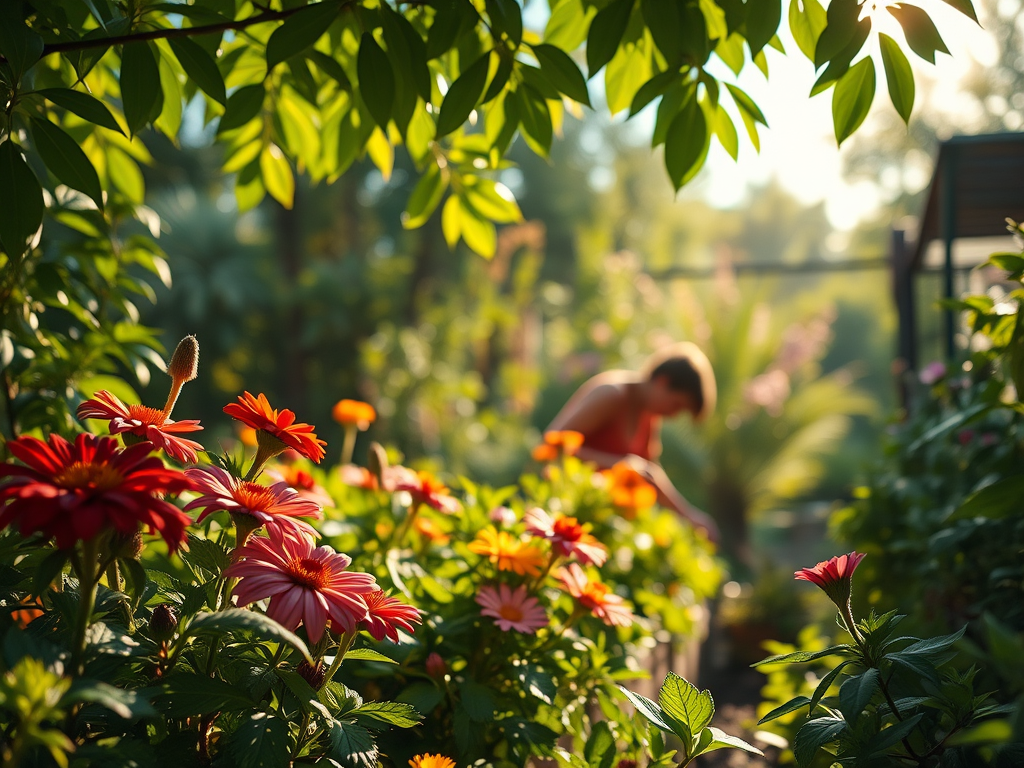
In this guide…
- The Mindfulness of Gardening
- 13 Reasons for Growing a Food Forest
- 1. Stress Reduction
- 2. Increased Creativity
- 3. Improved Mood
- 4. Sense of Accomplishment
- 5. Physical Activity
- 6. Fresh Air & Sunlight
- 7. Nutrient-Rich Food
- 8. Sustainable Living
- 9. Connection with Nature
- 10. Sense of Purpose
- 11. Community Engagement
- 12. Lifelong Learning
- 13. Environmental Stewardship
- Cultivating Your Own Mindfulness
- More Guides
The Mindfulness of Gardening
Finding moments of peace, connection to nature, and purpose can be a challenge in today’s fast-paced world.

Yet, amidst the hustle and bustle of modern life, there exists a sanctuary of stillness and serenity — the garden.
Gardening and the practice of building a food forest offer profound opportunities to cultivate mindfulness for reaping a multitude of personal benefits.
In this guide we’ll explore the transformative power of mindfulness in gardening and review the numerous amount of rewards that come from nurturing a biodiverse ecosystem like a food forest garden.
At its core, gardening is an inherently mindful practice — a journey of presence, patience, and awareness.
Whether you are sowing seeds, tending to plants, or harvesting the fruits of your labor, gardening invites you to be fully present in the moment.

Here in these moments you are able to be attuned to the rhythms of nature and the needs of living organisms.
By immersing yourself in the sights, sounds, smells, and sensations of the garden, you can cultivate a deep sense of connection with the earth, fostering a profound sense of peace, gratitude, and fulfillment.
13 Reasons for
Growing a Food Forest
Below we’ll discover the transformative power of food forests as we delve into the various benefits of creating these sustainable, resilient ecosystems that nourish both us and our planet.
1. Stress Reduction
Engaging in gardening activities, such as planting, weeding, and pruning, can help reduce stress levels and promote relaxation by grounding you in the present moment and providing a welcome respite from the demands of daily life.

2. Increased Creativity
Building a food forest encourages creativity and innovation as you design and cultivate a diverse ecosystem of plants, trees, and habitats, fostering a sense of curiosity, exploration, and discovery.
3. Improved Mood
Spending time in nature and engaging in physical activity outdoors has been shown to elevate mood and promote overall emotional well-being.
4. Sense of Accomplishment
Watching your food forest grow and flourish over time provides a profound sense of accomplishment and pride, boosting self-esteem and fostering a positive sense of self-efficacy and resilience.

5. Physical Activity
Gardening is a low-impact form of exercise that promotes flexibility, strength, and cardiovascular health through activities such as digging, planting, and harvesting.
6. Fresh Air & Sunlight

Spending time outdoors in the garden exposes you to fresh air and sunlight, which can boost vitamin D levels, support immune function, and improve overall health and vitality.
7. Nutrient-Rich Food

Building a food forest allows you to grow your own nutritious, organic fruits, vegetables, herbs, and nuts, providing a sustainable source of fresh, wholesome food for you and your family.
8. Sustainable Living
Building a food forest promotes sustainable living practices by reducing reliance on store-bought produce, minimizing food miles, and conserving water, energy, and resources.

9. Connection with Nature
Gardening fosters a deep sense of connection with the natural world, allowing you to observe, appreciate, and steward the beauty and abundance of the earth.

Visit our guide on Reconnecting with Nature to learn more about the practice of mindful gardening and the concept of grounding.
10. Sense of Purpose
Building a food forest provides a meaningful sense of purpose and direction as you work towards creating a sustainable, regenerative ecosystem that nourishes both people and planet.
11. Community Engagement

Gardening can be a social activity that brings together friends, family, and neighbors in shared work, celebration, and learning, fostering a sense of community and belonging.
12. Lifelong Learning
Gardening is a lifelong learning journey that offers endless opportunities for exploration, experimentation, and growth as you deepen your knowledge and skills in horticulture, ecology, and sustainability.

13. Environmental Stewardship
Building a food forest empowers you to become a steward of the land, advocating for biodiversity, conservation, and environmental resilience in your own backyard and beyond.
Cultivating Your Own Mindfulness
Building a food forest is more than just gardening—it’s a transformative journey of mindfulness, connection, and stewardship that offers profound benefits for personal well-being.
By cultivating mindfulness in the garden and nurturing a biodiverse ecosystem of edible plants, trees, and habitats, you can experience the joy of living in harmony with nature, nourishing body, mind, and soul in the process.

So embrace the transformative power of gardening, and let your food forest become a sanctuary of growth, abundance, and mindfulness in your life.
More Guides


Leave a Reply