5-Steps to
Container Gardening
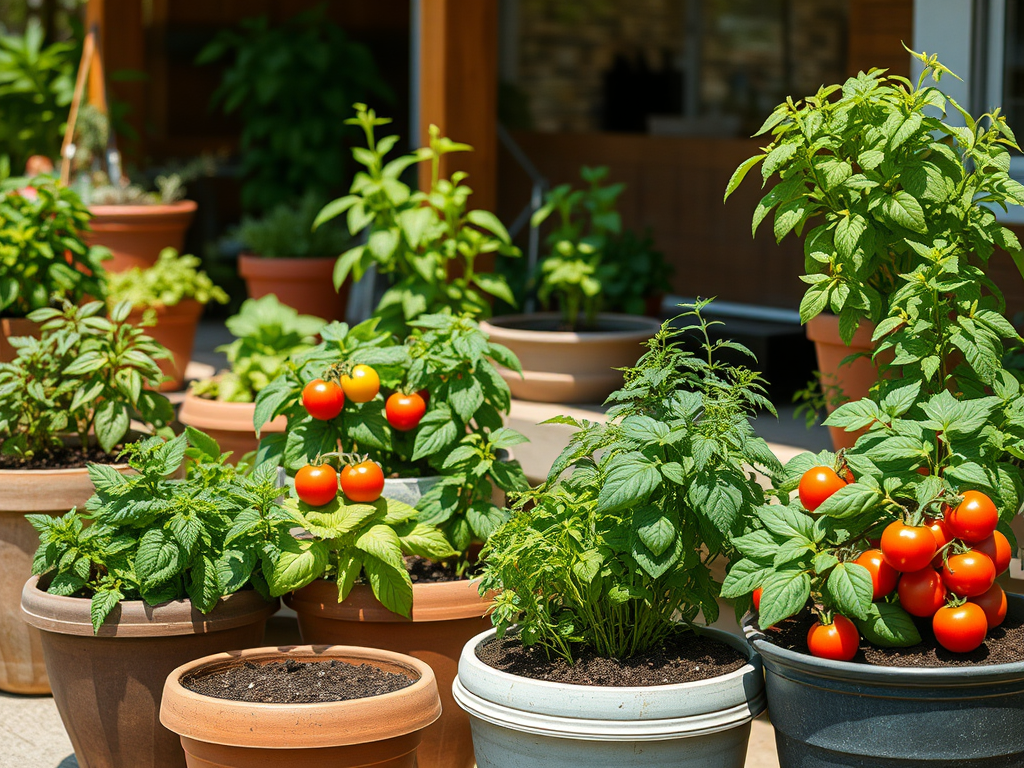
Here are 5 Simple Tips for Growing in Small Outdoor Spaces 🌿✨ These tips are perfect for beginner gardeners who want BIG harvests from small areas!
1. Prepare Containers
Use containers creatively 🪣🌼 No garden bed? No worries! Fill containers with potting mix, leaving 1-2 inches of space at the top.
You can grow in:
- Pots
- Buckets (with drainage holes!)
- Grow bags
- Raised beds
- Window boxes
Containers let you move plants for better sunlight ☀️ and protect them from bad weather. If sunlight is uneven, rotate pots weekly to ensure even growth. You’ll know the sunlight is uneven when plants start to lean.
🌟 If it holds soil and drains water, it can grow food!
2. Planting
Choose Compact & High-Yield Plants 🪴🍓 Some plants are made for small spaces!
Look for:
- “Dwarf” or “Patio” varieties
- Bush beans instead of pole beans
- Compact peppers 🌶️
- Lettuce and leafy greens 🥬
- Herbs like basil, thyme, and parsley 🌿
These plants don’t take over your space and still give you lots of food.
🌟 Smart plant choices = less stress + more success.
Sow seeds according to packet instructions. For seedlings, make a hole slightly larger than the root ball and gently place the plant in.
3. Position Containers
Place them in the sunniest spot available.
4. Water Consistently
Containers dry out faster than garden beds. Check daily and water when the top inch of soil feels dry.
5. Support Plants
Grow Up, Not Out! 🌱⬆️ When space is limited, think vertical!
Use:
- Wall planters
- Trellises
- Fences
- Garden arches
- Hanging baskets
Plants like tomatoes 🍅, cucumbers 🥒, peas, and pole beans LOVE to climb. Growing upward saves space and keeps plants healthier by improving airflow. Add stakes or cages for vegetables like tomatoes or peppers.
Top Tips for Growing
in Containers
Container gardening is an excellent option for patios, balconies, or areas with poor soil. Here are the top tips on how you can succeed:
Choosing the Right Containers
Use pots, buckets, or planters with drainage holes.
Select the right size: Larger vegetables like tomatoes need deeper pots, while herbs can thrive in smaller containers.
Selecting Soil & Fertilizer
Use potting mix designed for vegetables. Avoid garden soil, which may compact and hinder growth. Add slow-release fertilizer or organic compost to feed your plants.
Give Your Plants Great Soil 🪱🌍
In small spaces, soil quality matters even more.
Use:
- Compost
- Organic potting mix
- Mulch to hold moisture
Healthy soil means stronger plants and better harvests. You don’t need a lot of space — just rich soil! 🌟 Healthy roots = happy plants.
🌼 Final Thoughts
You do NOT need a big backyard to grow beautiful food.
You just need:
✨ A little sunlight
✨ A small space
✨ A willingness to try
Start small. Learn as you grow. Celebrate every leaf and every harvest. 🌿💚
Your tiny garden can grow BIG joy. 🌞

More Guides


Leave a Reply