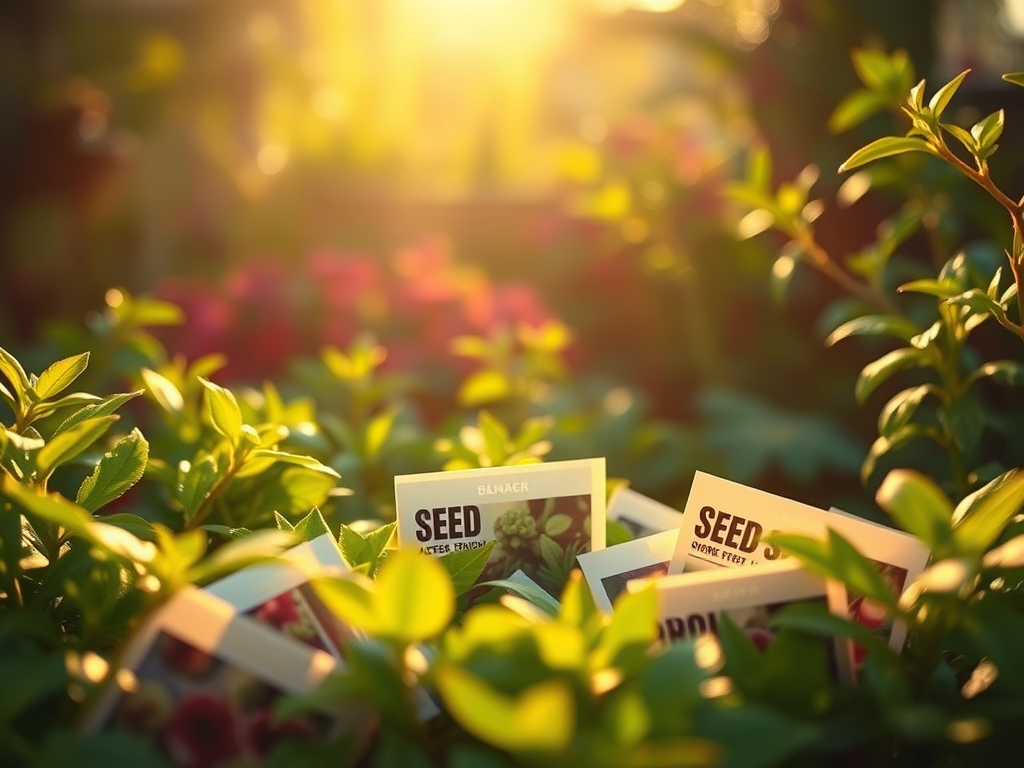
In this guide…
- Saving Garden Seeds for Future Harvests
- Importance of Seed Saving
- Basics of Seed Saving
- Basics Summary
- More Guides
Saving Garden Seeds for Future Harvests
As gardeners, we cherish the abundance of fresh produce that our gardens provide each season.
But what if we could extend that abundance beyond a single growing season?
Saving garden seeds allows us to preserve the genetic diversity of our favorite plants, reduce reliance on commercial seed sources, and ensure a sustainable supply of seeds for future harvests.

In this comprehensive guide, we’ll explore the benefits of seed saving, the basics of seed saving techniques, and tips for successfully saving seeds from a variety of garden plants.
Importance of Seed Saving
Seed saving is an ancient practice that has been passed down through generations, preserving heirloom varieties and adapting plants to local growing conditions over time.
In addition to preserving genetic diversity, seed saving promotes self-sufficiency, resilience, and sustainability in gardening.
By saving seeds from our own garden plants, we can select for traits such as flavor, yield, disease resistance, and adaptability, creating a personalized seed stock tailored to our unique growing conditions and preferences.

Seed saving also plays a critical role in conserving rare and endangered plant varieties, maintaining biodiversity, and safeguarding our agricultural heritage.
By saving and sharing seeds from our treasured plants, gardeners can contribute to the preservation and propagation of diverse plant genetic resources for future generations.
Basics of Seed Saving
Seed saving involves several key steps that vary depending on the type of plant and its method of pollination. Here are the basic principles of seed saving:
Selecting Plants
Choose healthy, vigorous plants with desirable traits such as flavor, size, color, and disease resistance for seed saving.
Avoid saving seeds from hybrid plants, as they may not produce offspring with the same characteristics as the parent plant. Instead, focus on open-pollinated or heirloom varieties.

Allowing Seeds to Mature
Allow fruits or seed pods to fully ripen and mature on the plant before harvesting seeds.
Seeds should be fully developed and ready for harvest when the fruit or pod begins to dry out or change color.
Harvesting
Harvest seeds from plants when they are dry and mature. For dry-seeded crops like beans, peas, and lettuce, allow the seeds to fully dry on the plant before harvesting.

For wet-seeded crops like tomatoes, cucumbers, and melons, scoop out the seeds from ripe fruits and rinse off any pulp or gel before drying.
Cleaning & Processing
Clean and remove any debris, chaff, or non-seed material from harvested seeds using screens, sieves, or hand sorting.
Allow seeds to air dry thoroughly in a well-ventilated area away from direct sunlight before storing.
Storing
Store seeds in a cool, dry, and dark place in airtight containers such as glass jars, envelopes, or seed packets.
Label each container with the plant variety, harvest date, and any relevant information to help you identify and track your seeds.
Tips for Saving Seeds
from Specific Plants
Tomatoes

Scoop out seeds from ripe fruits, rinse off pulp, and air dry on a paper towel before storing.
Beans & Peas

Allow pods to dry on the plant, then shell and air dry seeds before storing.
Kale, Lettuce & Spinach
Allow plants to bolt and flower, then collect seeds from dry seed heads and air dry before storing.

Squash & Pumpkins

Harvest mature fruits, scoop out seeds, rinse off pulp, and air dry before storing.
Herbs

Allow seeds to fully mature on the plant, then harvest and air dry before storing in labeled envelopes or jars.
Basics Summary
Saving garden seeds is not only a practical skill but also a rewarding and empowering experience for gardeners of all levels.
By preserving the genetic diversity of our favorite plants, we can create a resilient and sustainable seed stock that reflects our unique gardening journey.
Whether you’re saving seeds from tomatoes, beans, lettuce, or herbs, the principles of seed saving remain the same: select healthy plants, allow seeds to mature, harvest and clean seeds, and store them properly for future use.
As stewards of the land, let’s embrace the tradition of seed saving and ensure a bountiful harvest for generations to come.
More Guides


Leave a Reply